Systems That Address What You Breathe Indoors
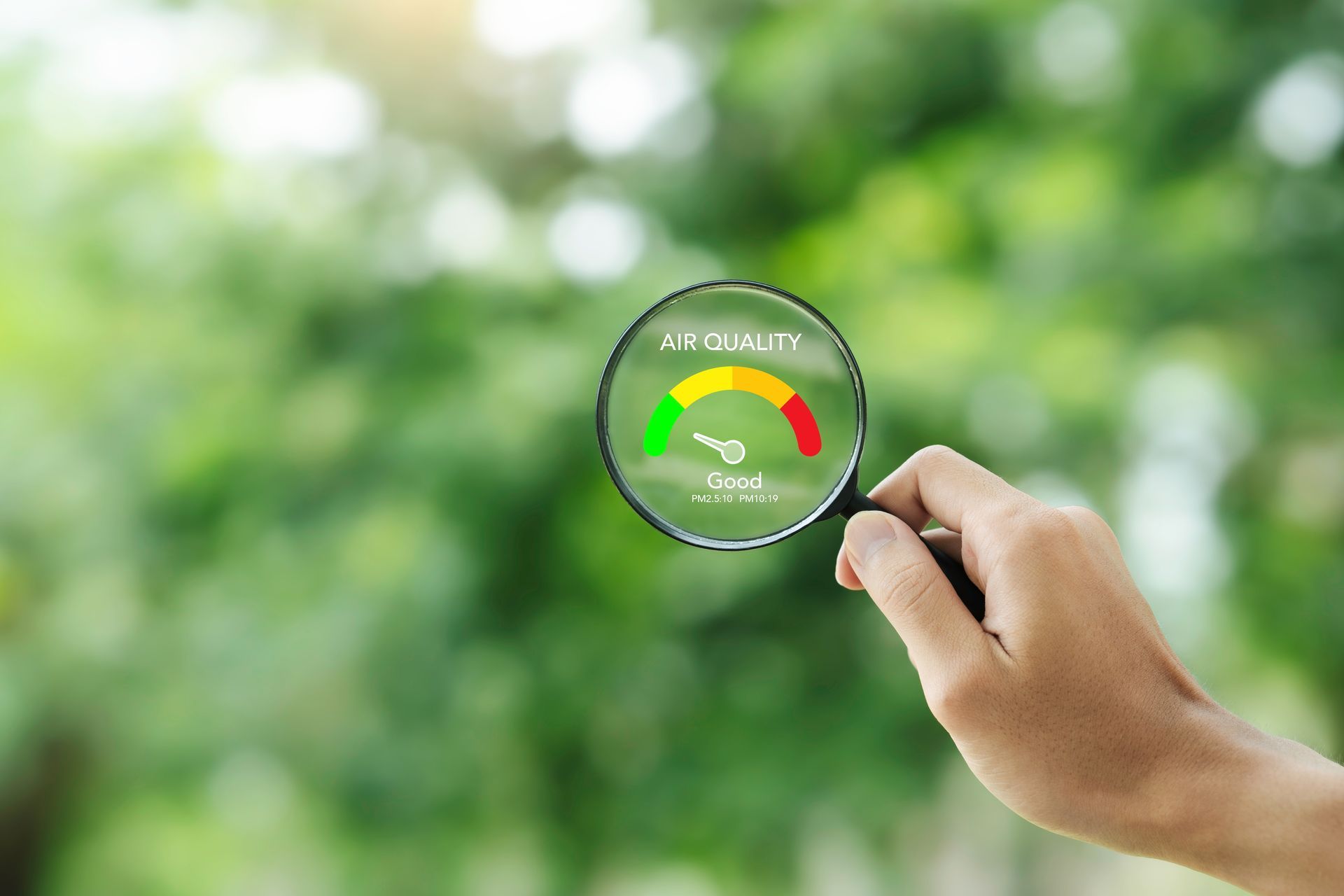
Indoor Air Quality Solutions in Myrtle Beach for homes with allergy concerns, persistent odors, or visible mold growth
Myrtle Beach's coastal humidity creates conditions where mold spores, dust mites, and airborne allergens thrive indoors, particularly in homes without mechanical ventilation or dehumidification. Indoor air quality solutions address these concerns through filtration, purification, humidity control, and ventilation improvements that reduce particulate concentrations and microbial growth. You'll encounter these problems as lingering odors, visible condensation on windows, or allergy symptoms that persist year-round despite outdoor conditions changing.
SeaSide Heating & Cooling installs air purification systems, whole-home air cleaners, UV light systems, and humidity control equipment that integrate with existing HVAC systems to treat air as it circulates through the home. Whole-home air cleaners use MERV-rated filters to capture particles as small as one micron, including pollen, pet dander, and mold spores, while UV light systems installed in ductwork or near evaporator coils disrupt microbial DNA to prevent growth on wet surfaces where mold typically colonizes.
Arrange an indoor air quality assessment to identify which combination of filtration, purification, or humidity control will address specific concerns in your home.
Why Humidity Control Matters in Coastal Climates
Dehumidifiers remove excess moisture from indoor air, reducing the relative humidity below the sixty percent threshold where mold growth accelerates and dust mites reproduce. Coastal homes in Myrtle Beach often maintain indoor humidity above seventy percent during summer months without dehumidification, creating conditions where fabrics feel damp, wood swells, and musty odors develop. Whole-home dehumidifiers install alongside the HVAC system, treating air continuously rather than relying on portable units that operate in a single room.
After installation, you'll notice reduced condensation on windows and mirrors, faster drying of towels and clothing, and elimination of the musty smell that indicates active mold growth. Air purification systems reduce airborne particulate counts, which becomes noticeable as reduced dust accumulation on surfaces and fewer allergy symptoms triggered by indoor air rather than outdoor pollen. UV light systems prevent the black streaks and slime that form on evaporator coils in humid climates, maintaining airflow efficiency and eliminating the odor produced when mold spores disperse through ductwork during system startup.
Ventilation improvements bring fresh outdoor air into the home in controlled amounts, diluting indoor pollutants and preventing the stale air quality common in tightly sealed homes. These systems include energy recovery ventilators that precondition incoming air using exhaust air, reducing the load on heating and cooling equipment while maintaining indoor air exchange rates.
Common Questions About Air Quality Equipment
Homeowners selecting air quality solutions often ask which equipment combination addresses their specific symptoms and how installation integrates with existing HVAC systems.
What does a MERV rating indicate on air filters?
MERV ratings measure a filter's ability to capture particles of specific sizes; higher ratings trap smaller particles but also restrict airflow more, so the filter must match the HVAC system's blower capacity to avoid reduced performance or equipment strain.
How does a UV light system prevent mold in ductwork?
UV-C light disrupts the DNA of mold spores and bacteria, preventing reproduction on damp surfaces like evaporator coils and drain pans where moisture accumulates during cooling cycles, which is particularly important in Myrtle Beach's humid climate where biological growth happens rapidly.
Can air purifiers eliminate pet odors completely?
Air purifiers reduce airborne particles and some volatile organic compounds, but persistent odors often require source removal—cleaning fabrics, replacing filters regularly, and addressing areas where pet dander accumulates rather than relying solely on air treatment.
What humidity level should homes maintain year-round?
Indoor relative humidity between forty and fifty percent prevents mold growth while avoiding the dryness that irritates respiratory passages; coastal homes typically need active dehumidification in summer and sometimes humidification in winter when heating systems dry indoor air excessively.
How often do whole-home air cleaners need filter replacement?
Filter replacement intervals depend on MERV rating and household conditions; higher-rated filters may need changing every three to six months, while standard filters last longer but capture fewer small particles, so the replacement schedule balances filtration effectiveness with airflow maintenance.
SeaSide Heating & Cooling evaluates indoor air quality concerns through airflow testing, humidity measurement, and inspection of existing ductwork and HVAC components. Contact the office to schedule an assessment and receive equipment recommendations based on your home's specific conditions and symptoms.