
Equipment Selection Based on Actual Load Requirements
HVAC System Sales & Replacement in Myrtle Beach for homes with failing equipment or systems unable to maintain consistent indoor temperatures
HVAC systems lose efficiency as compressors wear, heat exchangers corrode, and refrigerant leaks develop, eventually reaching a point where repair costs exceed replacement value or the equipment can no longer maintain comfortable temperatures during peak demand. SeaSide Heating & Cooling helps homeowners select replacement systems based on Manual J load calculations that account for insulation levels, window area, ductwork capacity, and local climate conditions rather than simply matching the tonnage of the existing unit. Proper sizing prevents short cycling in oversized systems and inadequate cooling in undersized units, both of which compromise comfort and efficiency.
Replacement involves removing the old equipment, modifying refrigerant lines or ductwork connections if necessary, installing the new system with updated refrigerants and controls, and verifying airflow and refrigerant charge meet manufacturer specifications. Energy-efficient upgrades include variable-speed air handlers, two-stage compressors, and high-SEER models that reduce runtime and operating costs compared to builder-grade single-stage equipment.
Request a free replacement estimate to compare equipment options, efficiency ratings, and financing terms based on your home's specific heating and cooling requirements.
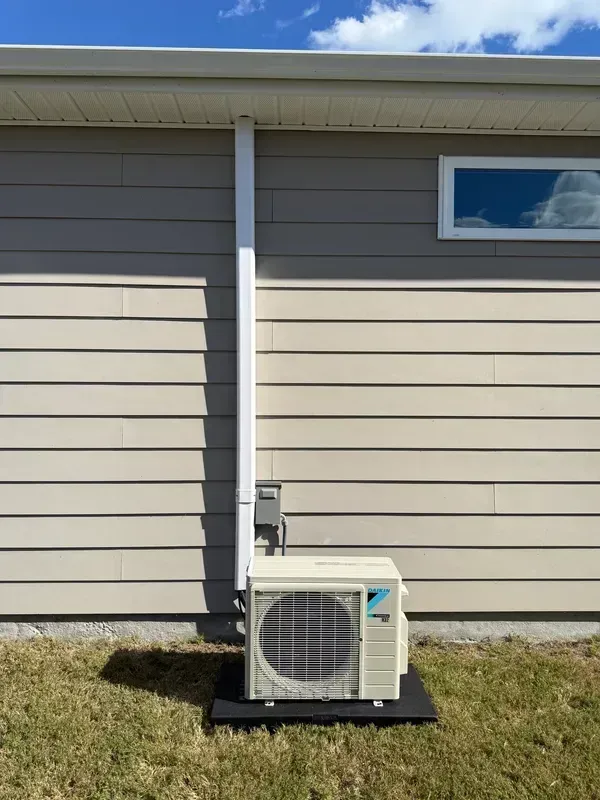
How Proper Equipment Selection Reduces Operating Costs
Load calculations measure heat gain from sun exposure, occupancy, and appliances, then determine the system capacity required to offset those loads while maintaining desired indoor temperatures. Homes with extensive south-facing windows, poor attic insulation, or high air infiltration rates need different equipment than well-insulated homes with minimal solar gain, even if square footage is identical. Oversized systems cycle on and off rapidly, failing to dehumidify properly and wearing components faster, while undersized systems run continuously without reaching setpoints during extreme weather.
After installation, you'll notice rooms reach set temperatures without the temperature swings common with failing or improperly sized equipment, and utility bills decline as efficient compressors and variable-speed fans reduce energy consumption per cooling hour. Two-stage systems operate in low-capacity mode during mild weather and switch to high capacity only during peak demand, extending equipment life by reducing full-power runtime. SeaSide Heating & Cooling offers brand comparisons between manufacturers, explaining differences in warranty coverage, component quality, and service availability to help homeowners evaluate upfront costs against long-term reliability.
Financing options spread replacement costs across monthly payments rather than requiring full upfront payment, making energy-efficient upgrades accessible when older equipment fails unexpectedly. Replacement timing matters; installing new systems before complete failure allows planned upgrades rather than emergency replacements during summer heatwaves when demand is highest and equipment availability tightest.
Answers to Frequent Equipment Questions
Homeowners comparing HVAC systems often ask about efficiency ratings, equipment lifespan, and how different technologies affect comfort and operating costs.
What does SEER rating mean for actual energy costs?
SEER measures cooling efficiency under standardized conditions; higher SEER systems use less electricity per cooling hour, so a sixteen-SEER unit costs roughly thirty percent less to operate than a ten-SEER unit over a cooling season in Myrtle Beach's climate.
How long does a properly maintained HVAC system last?
Most systems last fifteen to twenty years with annual maintenance, but coastal salt air in Myrtle Beach can accelerate corrosion on outdoor components, shortening lifespan if coils aren't cleaned regularly and protective coatings aren't maintained.
Why do replacement estimates vary between contractors?
Estimates reflect different equipment brands, efficiency levels, and installation practices; low bids may use minimum-efficiency equipment or skip load calculations, resulting in improperly sized systems that underperform despite lower upfront costs.
What happens to old refrigerant during system replacement?
R-22 refrigerant from older systems must be recovered and recycled according to EPA regulations; newer systems use R-410A refrigerant, which requires different pressures and components, so refrigerant lines and controls are typically replaced during equipment upgrades.
Can ductwork from an old system work with new equipment?
Existing ductwork often works with replacement systems if properly sized and sealed, but undersized ducts restrict airflow and reduce efficiency, so inspections determine whether duct modifications are necessary to support new equipment's airflow requirements.
SeaSide Heating & Cooling conducts on-site evaluations to perform load calculations, inspect existing ductwork, and provide equipment recommendations with detailed cost breakdowns. Schedule a consultation to review replacement options and discuss financing plans tailored to your budget and timeline.